
BBC’s ‘Dark Side of Paradise’ Thailand Documentary Draws Sharp Criticism
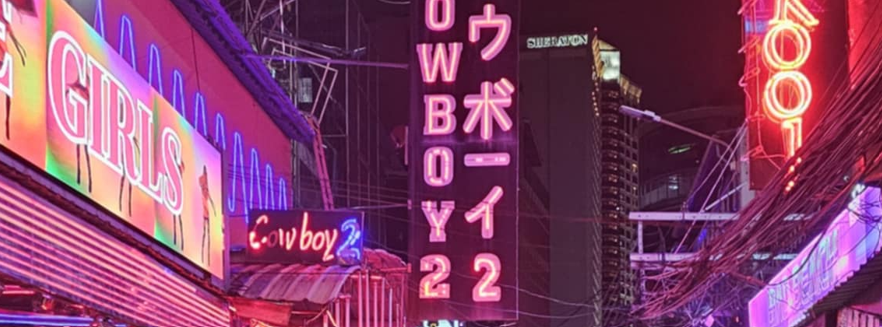
Sept 15 – The BBC’s new three-part documentary Thailand: The Dark Side of Paradise, released on September 8, has ignited a heated debate about whether its depiction of Thailand’s nightlife, crime and sex tourism is fair or unduly sensationalised. In the series hosted by Zara McDermott, the BBC focuses heavily on what it describes as Thailand’s darker undercurrents. Key claims and themes include:
- Sex tourism and “red-light districts”: The documentary visits Khao San Road, Soi Cowboy, Pattaya, and other tourist hubs, depicting extensive sex-trade activity and asserting that many British tourists are drawn not merely by beaches but by relationships involving exploitation.
- Crime and legal danger: It reports on incidents such as the BBC crew allegedly nearly being arrested while filming in a “red-light district” despite securing permits, and claims of local legal hazards for tourists.
- Partying culture & safety risks: The documentary shows scenes of full-moon parties, nightlife excess, drink-spiking, and other dangers associated with the tourist party circuit.
- Inequality and ethical concerns: It draws attention to local inequality, the way foreign visitors’ expectations clash with local social norms, and the costs borne by Thai women in the sex trade.
These portrayals have been criticised by many as focusing excessively on negative extremes, with critics arguing that they create a highly distorted image of typical everyday life in Thailand.
Pushback: Supporters’ Arguments and Criticisms of the Documentary
Almost immediately after its release, the documentary stirred backlash — from Thai residents, expatriates, and international travellers — arguing that it misrepresents the country and fails to balance the negatives with the positives.
Social media users shared their experiences, saying Thailand is in many respects safer than Western countries. One comment read: “Bangkok and the ‘dark side’? I’ve walked down the streets of Thailand at 4 a.m. holding my phone for months without any issues, but I couldn’t do that in the UK.” Another said they had lived in Thailand for years and rarely encountered crime, aside from minor incidents like being chased by dogs while jogging.
the lived reality of most Thais and many tourists is one of safety, warm cultural interaction, respect, and beauty, rather than a constant risk environment.
Viewers have accused the documentary of exaggerating incidents (such as the “nearly arrested” claim), staging or editing content in a misleading way, and focusing almost exclusively on sex tourism or nightlife rather than other aspects like culture, nature, hospitality, and daily life.
Critics argue that the series leans into stereotypes long associated with Thailand in Western media — moral danger, sexual exploitation, nightlife excess — without sufficient context or nuance. Some say that the positive, everyday side of Thailand, including its culture, beauty, kindness of people, religious traditions, festivals, cuisine and nature, is under-emphasised or ignored.
Given Thailand’s reliance on tourism, some have expressed concern that the negative framing may deter visitors, hurting local businesses. Others question whether the documentary fairly reflects local measures to regulate or combat the issues raised.
Broader context & Balance
Many who criticise the documentary do not deny that the negative issues raised—such as sex tourism, criminal incidents, and safety concerns—do occur in Thailand. Rather, they argue that these are not representative of most visitors’ experiences, and that the documentary gives an unbalanced view
Some observers have called for documentaries about Thailand to include more from local voices not connected to nightlife or tourism controversies: temple custodians, rural community leaders, environmental activists, and ordinary residents whose lives are centred far from tourist zones. They suggest that the lived reality of most Thais and many tourists is one of safety, warm cultural interaction, respect, and beauty, rather than a constant risk environment.
As with many documentaries exploring “dark sides” of popular destinations, Thailand: The Dark Side of Paradise has triggered a conversation not just about what is shown, but how, why, and with what effect. In the days ahead, whether the BBC or other outlets respond to simplify, clarify, or add context may matter significantly—for both Thailand’s image abroad and visitors’ understanding of its complex realities.
Sources:
- The Nation Thailand, “BBC’s ‘Thailand: The Dark Side of Paradise’ documentary sparks backlash from viewers” (nationthailand)
- Thaiger, “British YouTuber and netizens blast BBC’s Thailand dark side documentary” (Thaiger)
- Thailand Examiner, “BBC gets a Red Light from viewers & fans of Thailand over the distorted docu-series aired last week” (Thai Examiner)